An Easter Poem
Albino afro

            He sit in clink

His eyes a salmon pink


Pigmented Southern gent

            He sit in cell

With TB racked adrenal


Jaundiced fundamentalist

            He sit in gaol

His shrivelled liver up for sale


The custodian on his plinth

            He who cry perfection

I am up for re-election


And who am I to release unto you

            And they as one cried

He who washes white


Release him, the white

            Because white is safer

Just as the Communion wafer


The three men

            There chained are led out

The restless mass as one do shout


No that is not what we mean

             His colour out of whack

                        You take him back

and tar him pitch black.
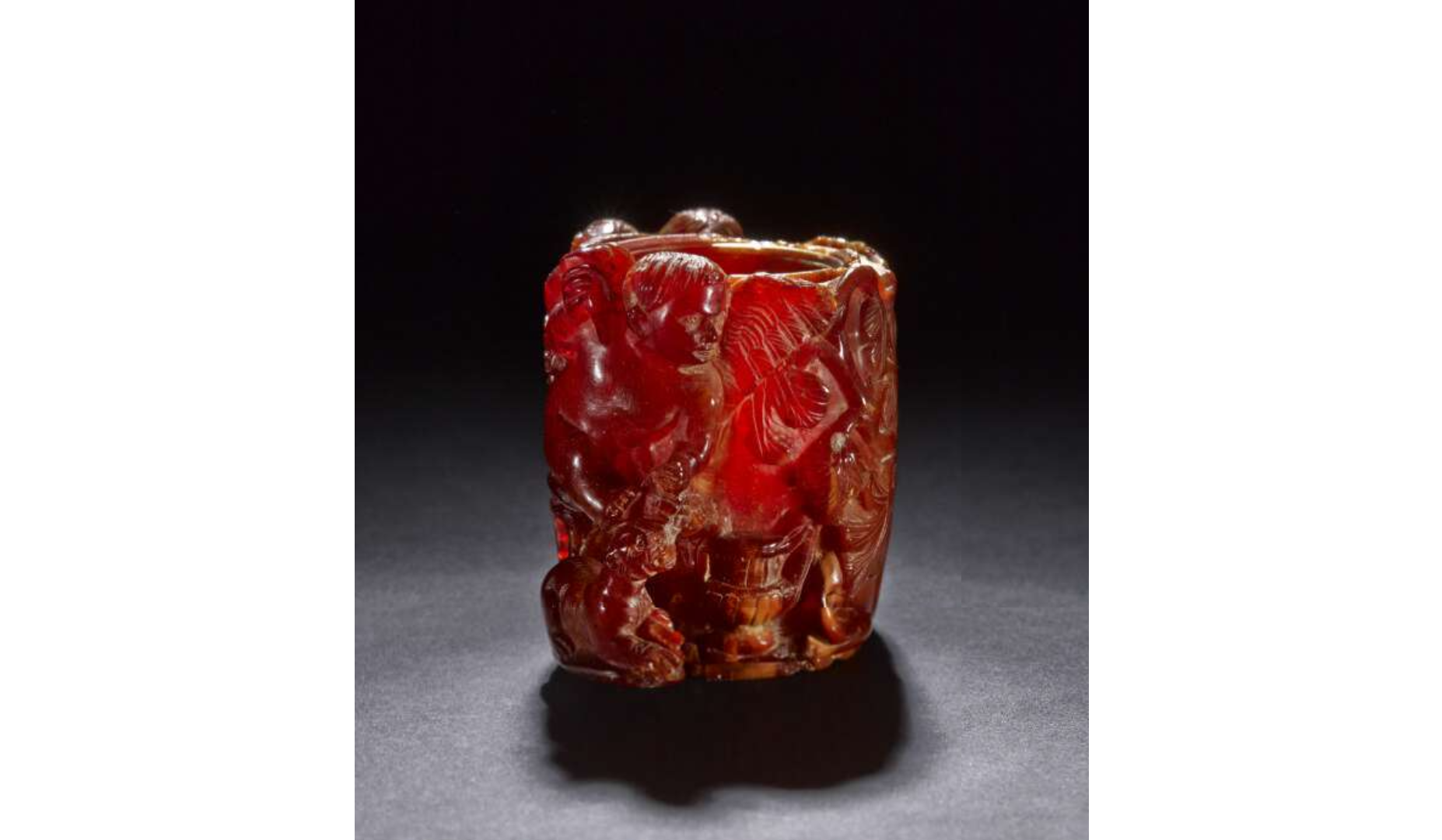
When I was a small boy, I remember my mother had a beautiful amber necklace, the colour of which was not too dissimilar from that of the Roman perfume pot (pictured above) in the British Museum, except that the necklace was more translucent. When she rubbed it with a piece of fur, she demonstrated how the amber attracted a small flake of paper. To a small boy who had never heard of an electrostatic charge, it was magical. I was just observing what the Greek philosopher, Thales of Miletus had first observed around 600BC.
Amber has always been a favourite gem of mine. As I reported in an earlier blog, the Amber Room in the Catherine Palace in St Petersburg, 30 kilometres south of the city, is a dazzling exercise in butterscotch amber although it is a reconstruction (the Nazis having removed the original room which was never found).
Amber, the resultant of the fossilisation of pine resin millions of years ago, is found on the Baltic Coast. (It is also mined in the Dominican Republic, the source of blue amber and in Myanmar). Visiting Latvia even today, the amount of amber fashioned into cheap jewellery and trinkets is everywhere. The Latvian amber is opaque and what I would call custard yellow. I don’t find it appealing, but perhaps I was just exposed to touristy dross.
Based on the age of the amber bead, the researchers speculate that it may have reached Spain via the ancient trade networks of the Sepulcros de Fosa culture, which arose in Catalonia during the Middle Neolithic period before disappearing between 4,000 and 5,000 years ago.
To the archaeological experts of that period, it has just expanded knowledge of the range of European trade in the Neolithic period. One can still see evidence of this neolithic Catalonian culture in the funerary objects and the evidence of cave habitation. It should be realised that when our forbears linked the Aboriginal people to the Stone Age, they undervalued the level and sophistication of communication between these people, already culturally different, where language was one point of this differentiation. However, trade was one means that the various groups began to accommodate to this cultural diversity.
There are currently about 7000 languages spoken around the world, but this number is probably down from the peak of human linguistic diversity which occurred around 10,000 years ago, just before the agricultural revolution. Before that time, all human groups had been hunter-gatherers, living in small mobile tribal societies. Farming societies were demographically more prosperous and group sizes were larger than among hunter-gatherers, so the expansion of agriculturalist settlement likely replaced many smaller linguistic groups.
Today, there are few hunter-gatherer societies left and so our linguistic diversity reflects this European agricultural past. The Australian continent was the end of the line, and when an Aboriginal person boasts that his people are the oldest civilisation, he or she is saying that the civilisation is the oldest, unchanged. There are 250 Aboriginal languages for about one million people, which tends to agree with generalisation above about hunter-gatherers (145 of these languages are still spoken).
The amber traders five millennia ago were part of a civilisation that vanished in what we call progress, but others may not. It serves to illustrate that the Aboriginal people did not conform to the whitefella progress to what is termed “civilisation”.
They developed a complex society based on being hunter-gatherers; so much so, for instance, that there was no drive to invent bows and arrows (one of the few peoples living on a land which was both tropical and temperate, coastal and desert – and where winter was comparatively mild.) White Australia failed to recognise this complexity and stigmatised them as “Stone Age” people.
This plaintive cry that the Aboriginal people did develop a post-agricultural revolution culture seems akin to the cultural cringe, which inflict some of our Australian whitefellas of Anglo-Celtic stock who have longed for the climate and mores of ‘The Old Country”.
You know being able to grow root crops was somewhat an advance on felling a wallaby at fifteen metres with a boomerang, where we whitefellas could not even see the animal. But we whitefella post-agriculturalists could plant root crops; obviously making us so less primitive. Really?
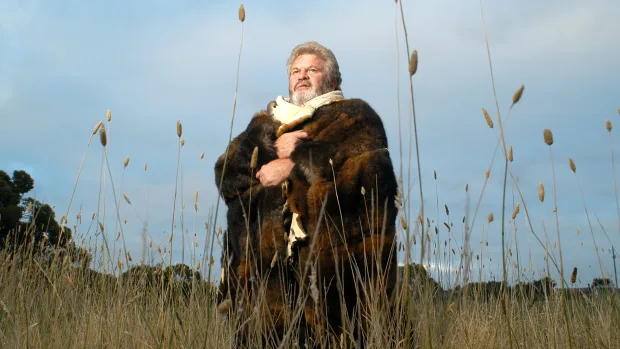
As for the Dark Emu, “Bruce, pull the other tuber – and by the way would you like a bush tomato, you know, the amber-coloured one. No need to have a sabbatical on banks of the Tigris now.”
The Most Over-Governed Parish in The World?
There he was – a man who plays the screen villain so well with a voice as beautifully modulated as that of Peter Lorre or Alan Rickman. I had sometimes wondered “Where was Eric?”
But no, on election night, we were witnessing the revenant, Eric. He was there in all his distinct personae, carefully reinterpreting fact persuasively to his extreme positions. He was this “partial” commentator, being broadcast nationally on “impartial” ABC television.
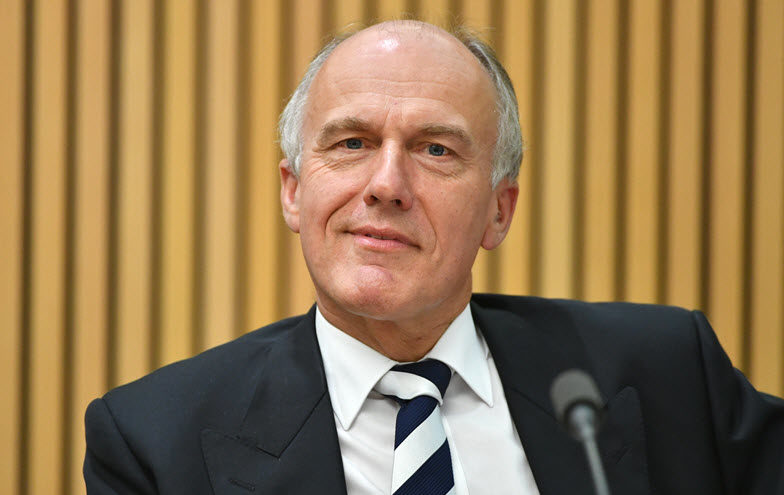 But then Eric is from “aways”, like we are. All Tasmanian invaders. Eric was more exotic, born in Stuttgart. His German lineage is what may be conservatively described as “right wing”. For example, quoting Wikipedia, Eric’s great uncle, Otto Abetz, was a Nazi SS officer, German ambassador to Vichy France, and a convicted war criminal. Eric’s grandfather was Karl Abetz, a professor of forestry science, who joined the Nazi Party in 1933 and became general consultant to the Reich Forestry Office in 1942.
But back to the main narrative. I advised Bill Snedden to develop a Tasmanian strategy after the 1974 election. I had noted there had been large swings in three of the electorates. Under the Australian Constitution each of the founding States was guaranteed at least five electorates. This led over time to the number of voters in each of the five Tasman electorates being far fewer than those of any electorate on the mainland. While other electorates could be created, modified or deleted, those in Tasmania remained much the same.
At that time in 1974 Tasmania was blessed with 79 local government areas, but Snedden wrote to each, specifying that “we were here to help”. He appointed one senior opposition politician to be in charge of the portfolio, Bob Ellicot. Labor held all five seats then, and it seemed to be a rational policy to entice Tasmanians to vote for the Coalition. Given how close the numbers in the House of Representatives were, call it “cynical” or “bribery”, it worked when the Bass by-election was called the next year with the retirement of Lance Barnard. Subsequently at the 1975 Federal election, all the seats became Liberal.
The fact that a military equivalent of a drover’s dog from aways won the Bass by-election reflected the neglect the Whitlam administration (he had excluded Barnard from discussions on the proposed 25 per cent tariff cut because it affected garment workers in Launceston) for Tasmania. The landslide victory in Bass was several months too late for Snedden’s survival.
But back to the main narrative. As one perspicacious commentator has said: “minority government is one that the majority of voters do not want.” I suspect it was Bob Brown, who consolidated this thread in Tasmanian politics by his fierce independence.
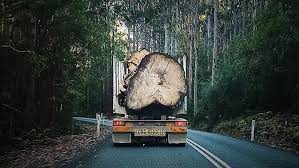 Tasmania has been lampooned as the place where if there was a tree, cut it down, especially native tree; if it was a river, dam it, and if it was a native animal, kill it. I remember when the sawmillers and the Hydroelectric Commission (HEC) ruled the State. Then there was the Mount Lyell mine, which turned Queenstown into a moonscape and the minerals used in the extraction of the copper and silver polluted the King River and Macquarie Harbour to such an extent that it was estimated that would take 200 years to clear up the pollution.
Then there was the annual Avoca wallaby shoot, counterpointed by the guilt realised of having rendered the Tasmanian tiger extinct by 1936. For years the Tasmanian press was full of reports about the sighting of this extraordinary marsupial. But these have gone more or less quiet. All that is left is the unwritten requiem.
But back to the main narrative of the recent election. Here there were two leaders. One, the Labor leader Rebecca White who has never had a real job; the Coalition Premier, Jeremy Rockliff, a farmer on a family property in northern Tasmania. Jeremy had alerted the wider global audience to spending $12m on a chocolate fountain, the enchantment of a Cadbury monument to dairy chocolate in the lead up to the election.
That aspiration was coupled with a proposal to build a huge stadium to be used a few times a year in a prime Hobart location – for an Australian Football League based in Jolimont Melbourne Victoria. This AFL office is in a choice location, so why should not a putative stadium for the Tasmanian Tigers be equally well located?
But then the AFL handed its clubs a total of $393m in funding for the 2023 season, and still made a profit of $27m. What about the foetal Tasmanian Tigers? The AFL could fund the stadium in say, Glenorchy, on cheaper land. The Premier before the election was acting like one of the “joy boys” – the cheerleaders for the Jolimont jock-strappers. There is a pathetic aspiration of wanting to be loved by the players, to rub shoulders with the liniment of champions. Will a billion dollars do?
Well, Jeremy did lose the election with a swing against his Willie Wonka aspirations – only lost 12 per cent. But he retained government.
The method of voting, the Hare-Clark system, used to elect seven members for each of the electorates based on their Federal counterparts leaves the eventual election result taking several weeks to emerge. Eighteen is the magic number for election; it was clear early in the count that no Party would reach that figure.
Labor did miserably, but the Greens picked up five seats. In other words, these two parties which have been in an uneasy alliance before totalled fifteen seats between them. As with most matters in Tasmania there are a couple of maverick independents. But then there is the charismatic populist. Jacqui Lambie is the classic authoritarian personality, who in the end will “piss” her erstwhile followers off by her actions.
Not that she isn’t smart, but one witnessed her having three of her acolytes elected in the Tasmanian election, while at the same time breaking up with her colleague in the Senate. She publicly boasts that her Jacqui Lambie Network has no policies. It exists because “La Duchessa’ is just her – a media apparition with a distinct personality and a voice which epitomises the knockabout Australian larrikin.
Yes, I do love Tasmania. It gives you everything, good and not so good, as long as you stay for enough time.
I Will Not Fly Qantas, Until They Boot Out the Joyce Clones
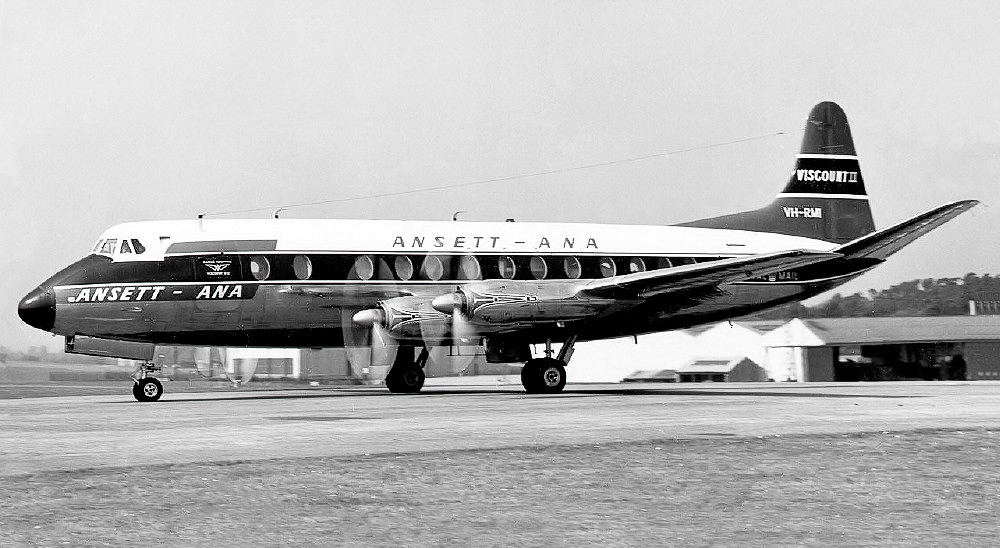
I remember the worst flight I ever experienced was between Townsville and Cairns in November 1956. I have written about it elsewhere, but in short, I was a passenger on TAA DC4-Skymaster, which ran into an electrical storm. Being unpressurised, the plane could not ascend above it; nor for that matter fly under it. It was dark, but I remember still clearly the beautiful sunset at the Townsville airport before embarkation. There was no hint of what was to come.
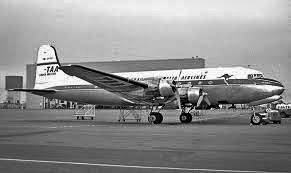
In that year, over 400 people died in commercial flight accidents, the largest loss of life being over the Grand Canyon when two commercial airliners collided with 128 people killed. There was one fatal accident in Australia when a Royal Flying Doctor plane crashed with five on board near Derby. All died.
It was a time when flying was not as safe as it has been up until now, even though the number of flights was far less.
I used to travel over 50,000 airmiles a year, even after I retired before Covid intervened. I was a Qantas Platinum frequent flyer with a substantial cache of frequent flyer points. I never had any doubts about the safety of the airline, although I noticed that the standards in the cabin had begun to slip; damaged seats not fixed, inflight screens that did not work. The meals were increasingly frugal, and the leg room increasingly modelled on that provided for Irish leprechauns. The number of staff to assist seemed to melt away. Delay between anything happening increased.
It was about this time that I needed assistance, and as much as the ground staff tried, often I wondered whether I had been forgotten. My plight symbolised the Joycean fanatical cost cutting affecting customer service. The further one got away from this person, the service often seemed better. For instance, I flew Qantas Air Link frequently, and could not fault the service, even though the planes were increasingly shabby.
My loyalty to Qantas remained.
But not now. The constant news about the airline fills me with foreboding. Overall, the sacrifice of safety to boost the payout to Joyce will come back to haunt the Government. Joyce played the politicians with blarney and the mirror of exclusivity.
In return, I read Qantas has an ageing fleet of planes, not to be replaced because Boeing, the major supplier has also borrowed from the Joyce playbook, sacrificing safety for profits, epitomised by bits of their planes falling off or the controls being ungovernable.
Then get rid of your experienced, highly competent workforce as though there were no tomorrow. Nothing like having a disgruntled workforce or outsourcing critical areas where who knows the level of quality control. Then make sure you have no way of training and hiring a highly trained workforce – no succession planning except the top job.
The policy at present seems directed to induce artificial shortages; abandon air routes that are “not commercial”; increase the price of flying; maintain the monopoly by unfair if not illegal actions.
The resultant is a feeling of uncertainty. Yet there were no commercial airline crashes in 2023. One flight, Yeti Airlines 691, a turboprop ATR 72-500 stalled and crashed while landing at Pokhara in Nepal. All 72 people on board were killed. For some reason, it was not considered a commercial flight. ATR is a Franco-Italian aircraft manufacturer headquartered in Toulouse.
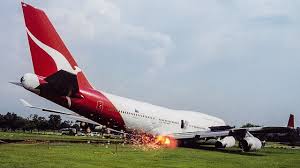 An air crash by a Qantas or Virgin flight where all are killed fortunately may be very unlikely – but is the government doing anything about confronting and minimising the rising risks, the result of compromising safety for assuring shareholder and Master Joyce’s profit?
The consequence of one disaster would be accompanied by public lamentations, pestering the relatives about the dead always portrayed as angels without fault, the repulsive sentence “we are taking the matter very seriously”, and politicians wedged in the exit doorway of the Chairman’s Lounges headed by the Prime Minister pushing son Nathan in his metaphorical pram of privilege. Then there are the endless Royal Commissions enriching lawyers and finally coming up with 500 recommendations, most of which will be ignored.
Plenty to do now I would have thought. Much cheaper and will assure safety before the fact.
Can Prostitution be Treason? Is it just a Reversible Equation?
A 2008 quote from President Donald Trump’s eldest son about his family’s assets.
“In terms of high-end product influx into the US, Russians make up a pretty disproportionate cross-section of a lot of our assets,” Donald Trump Jr. said at a New York real-estate conference that year. “Say, in Dubai, and certainly with our project in SoHo, and anywhere in New York, we see a lot of money pouring in from Russia.”
Trump Jr.’s comment has taken on new meaning amid the investigation into Russia’s meddling in the 2016 US election and whether the Trump campaign colluded with Moscow.
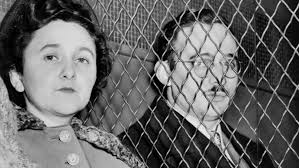
America executed Julius and Ethel Rosenberg in 1953 for less. The Financial Times summarised the background in an article three years ago (sic). “There is now no doubt that Julius recruited Communist agents and passed information to the Russians, but recent evidence has proved that the always flimsy case against Ethel was based on nothing more substantial than personal prejudice, anti-Communist paranoia, and outright lies. On trial, essentially, were not her actions, but her political beliefs and reputation.
Ethel was pursued by the odious Ray Cohn, the aide to Senator McCarthy. Cohn later became a mentor to Trump. Cohn seemed to have sexual fantasies about Ethel Rosenberg, who at 35 years with two young boys, was executed on the order of President, Dwight D. Eisenhower for doing nothing more than being loyal to her husband, Julius, whose espionage amounted in the end to less than a row of proverbial beans. Certainly not enough to be put to death.
After all, parenthetically, is this the same America who want to put Julian Assange away for up to 175 years for telling the truth or if they could, judicially murder him; whilst letting that grub, Sam Bankman-Fried get only 25 years for stealing $8 billion from customers?
It seems so. A substantial number of Americans nod benignly towards Trump and his relationship with Putin, but then the Rosenbergs, whatever they were, did not deserve to die. I don’t think the Rosenbergs thumbed their noses at the American community as Trump has done, fomented by that metastatic Australian malignancy.
Mouse Whisper
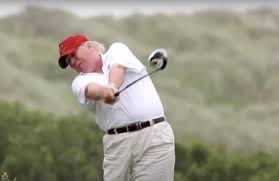
Talking of the Orange, Trump won a couple of trophies at his own golf club this past fortnight. Rick Reilly, a golf journalist, in 2019 wrote a book about Trump’s golfing prowess entitled “Commander in Cheat”.
“Trump doesn’t just cheat at golf,” Reilly wrote. “He throws it, boots it, and moves it. He lies about his lies. He fudges and foozles and fluffs. At Winged Foot, where Trump is a member, the caddies got so used to seeing him kick his ball back onto the fairway they came up with a nickname for him: ‘Pele’.”
Surprise, surprise. He is a no-show at projected pro-am tournament, where his booting skills would be very difficult to justify-unless he was classified as four-legged and had the stick in his mouth and named Niblick. Yuk!
 No, you miserable sods, reduce the dividend to those shareholders, who have basked in your bastardry, earning gross financial returns generated by this unmitigated bastardry, engineered by the little Irish-Australian now skulking in some mansion, perhaps in the aptly-named Dublin suburb of Goatstown. Funnily enough, he does not want return to face the music – the Moonflit Concerto being a favourite piece of his.
 Homer called it liquid gold. To Hippocrates it was “the great healer”. These days olive oil is used to sauté vegetables or dress salads—but it is once again becoming a luxury. In September prices reached their highest level since records began, rising by 117% year-on-year according to the International Monetary Fund. Olive oil is seventeen times as valuable as crude oil weight for weight; in 2019 it was seven times cheaper. Why has the price shot up? – The Economist 13 December 2023.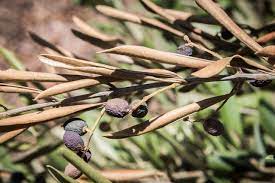
 The highlight of Christmas morning was a visit to a Maasai village, and because there had been substantial rain, the ground was a swill of mud and animal excrement. The tall slender Maasai women performed their traditional dancing but with the women ululating.
 Christmas cheer as they offered us their bead jewellery, at a price.
 For instance, a modelling career for women starts between 14 and 16 years and is over by the mid 20s. It is an industry which cultivates the “stick insect” look and emphasise that ugliness by forcing the models in very high heels to traverse the catwalk in that uncomfortable stalk, which seems to be de rigeur.
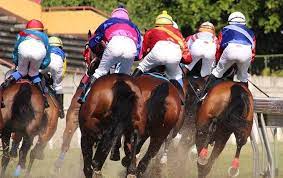 The racing industry relies on dieting in jockeys trying to keep weight down to 54kg, above which life for most jockeys’ rides is limited unless they are in the top echelon or are a jumping jockey, and in this later instance their races are confined to Victoria and South Australia.
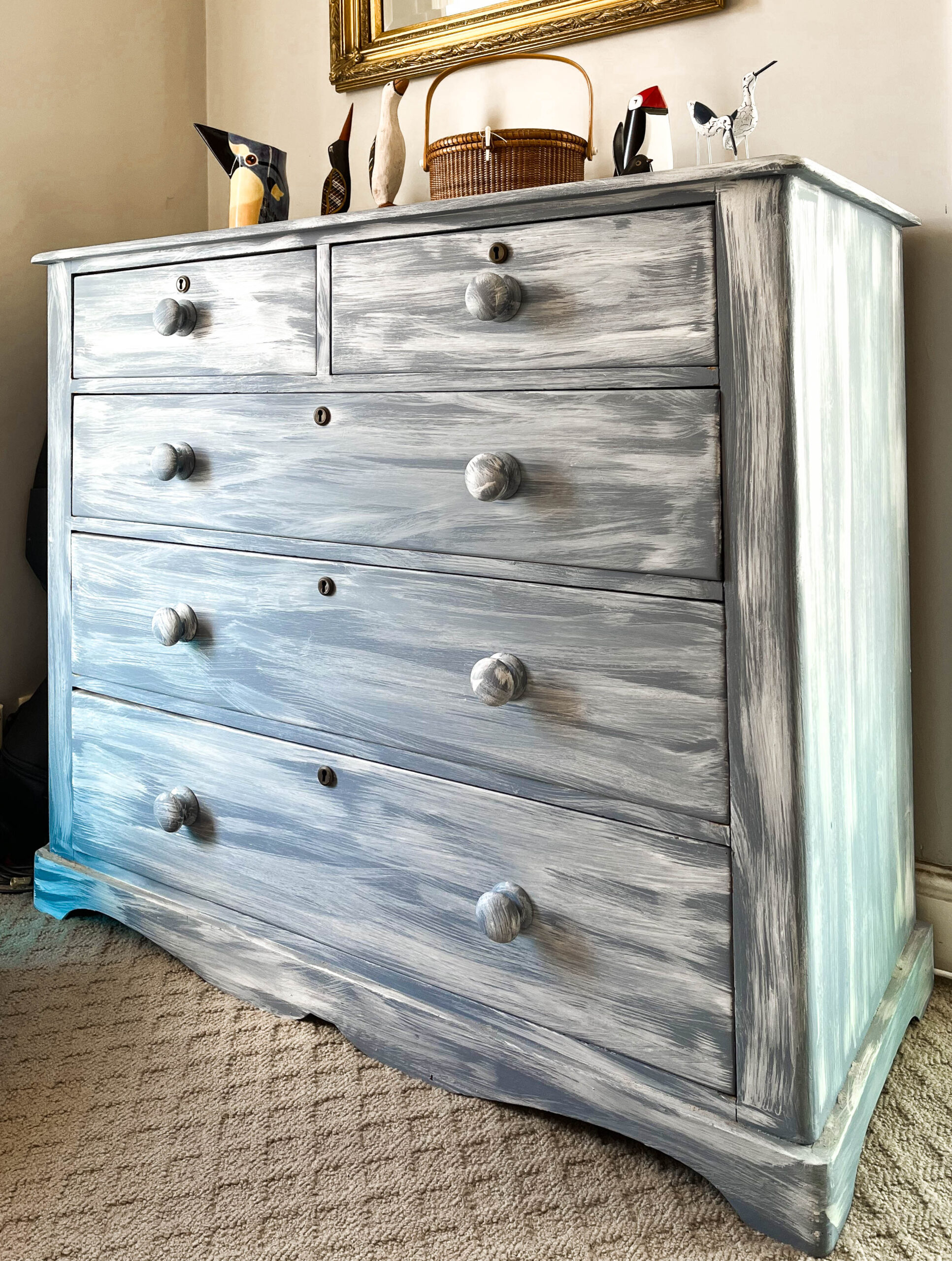 There is one solution that my wife has used. We had a very well- constructed mahogany chest of drawers, very chestnut. My grandparents had brought it back from Britain in 1919. Thus, it had lasted a long time. My wife decided she needed some storage and rather than throw out the solid brown chest and buy a new one she asked the painter to give it a distressed blue finish. He did an excellent job, and it now complements the back room, where an equally distressed painted bookcase faces it – but the aforementioned brown cedar desk still occupies one corner of the room, as a quiet reminder.

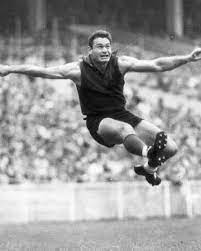 The ball was bounced and was kicked towards the Melbourne goal. Suddenly, out of the pack Ron Barassi exploded, grabbed the ball, kicked the goal. In less than a minute, the Grand Final was over. Barassi went on to be best on ground, kicking five goals. Melbourne won by 61 points.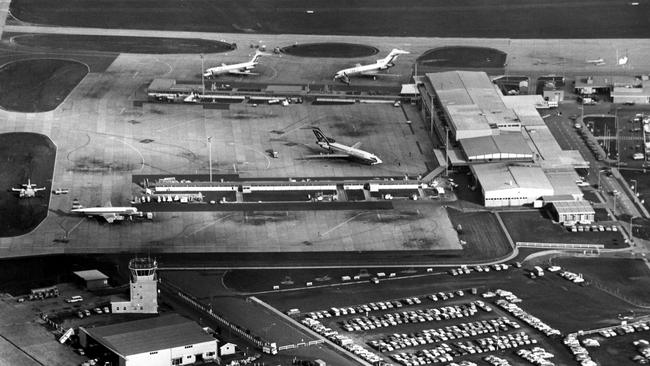
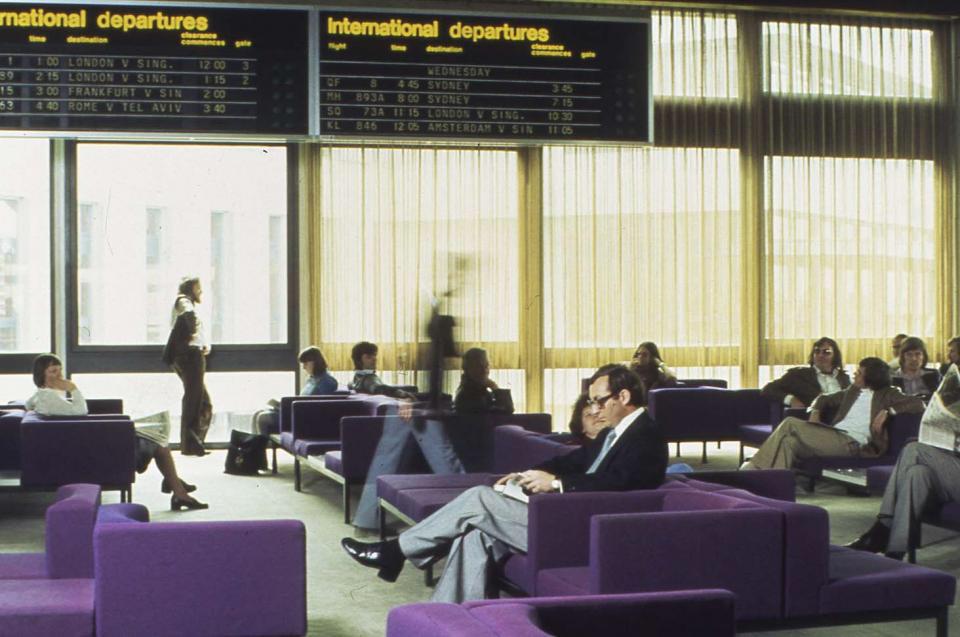
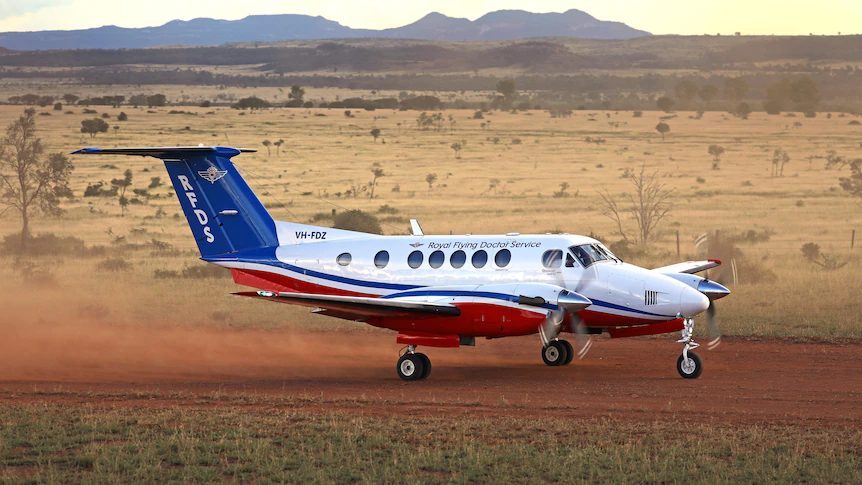 Having worked with and for the Royal Flying Doctor Service (RFDS), I was somewhat surprised by the latest advertisement seeking contributions from the public. Depressingly all the images are of whitefellas being treated in what are unconvincing imagery. To spend a great deal of money to provide an aerial medical service to the outback stations and small settlements without any acknowledgement that one of the major communities which require the service RFDS is the Aboriginal community.
 What were those long poles doing lining the highway at intervals? There were about 20 metres high and near the top had cross bars, which gave the impression of a very elongated Cross of Lorraine and short pieces of white pipe. Enquiries found that they were gliders’ poles to enable the sugar and squirrel gliders to cross the highway, and even if they don’t make the top they often land down the pole and scramble to the top. If the distance is too far to glide – thirty metres is taken as a benchmark – a box rope ladder is strung between the two poles, and thus the glider can climb across the remaining distance “unglided”. Got to watch out for the circling hawks and eagles though.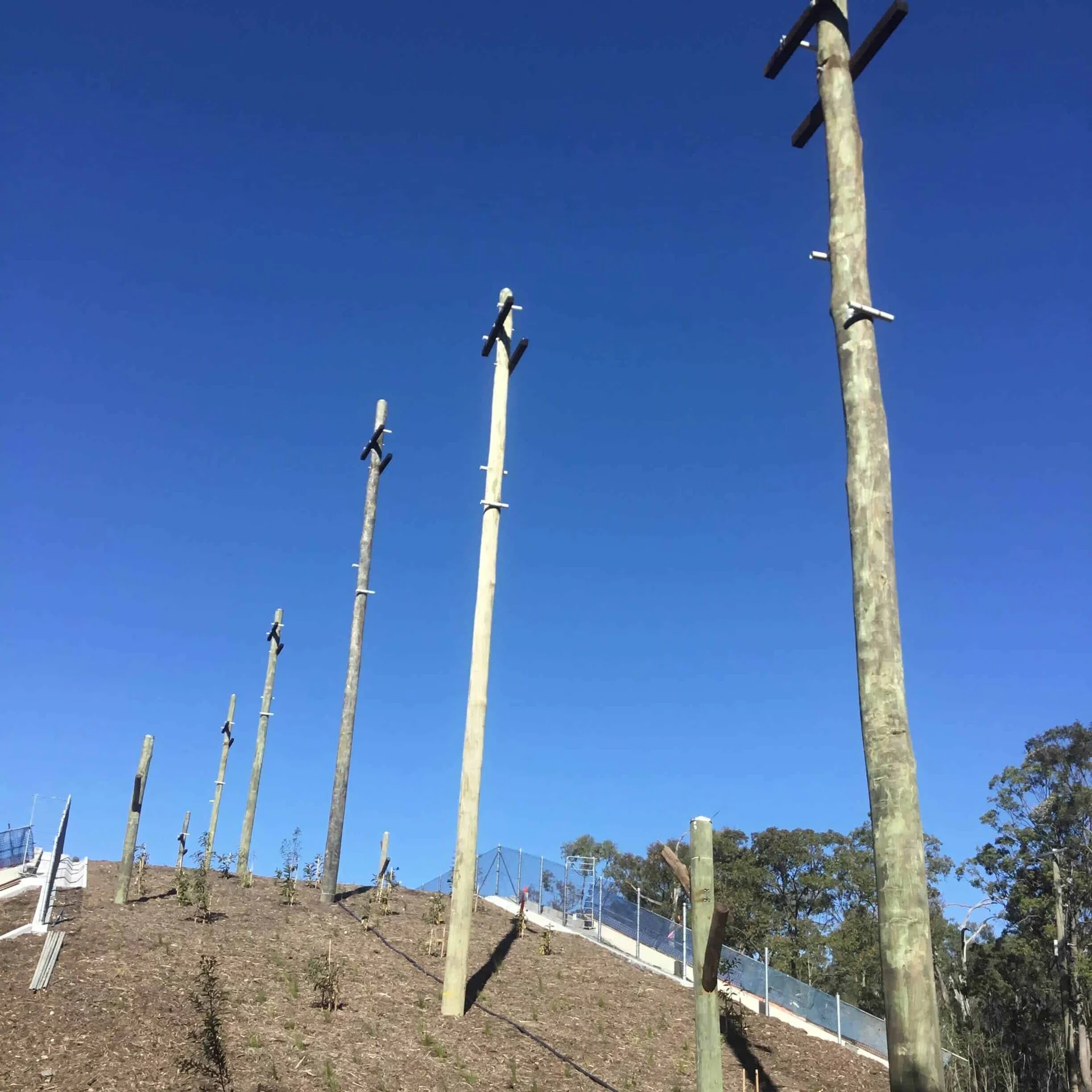
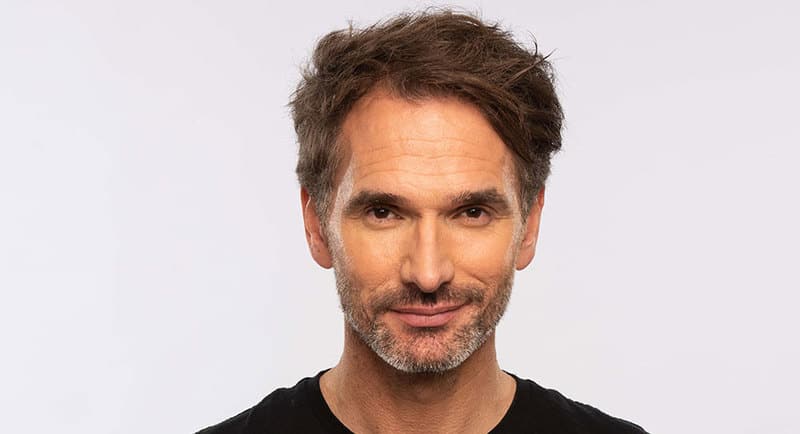 Todd Sampson. What a groovy folk hero with a cool propensity for those laconic T-shirts with “Meaning”. The boy who emerged from the poverty-tinged town of Sydney, a coal town on the tip of Canadian province, Nova Scotia. Born 53 years ago. Environmentalist, vegetarian, swinging from his own heroics, Sampson ran a major advertising agency which legitimised him appearing on the ABC “Gruen” show as a regular panellist. Given that the show likes to pillory those advertisers who demean business with dodgy advertising, I wondered why the program had never touched Qantas.
 It is an area where public policy is dictated by the “smiling baby syndrome”, significant pressure from lobbying-savvy individuals, the profitability for the venture capitalists, the asymmetry of information to potential parents and the egregious nature of the advertising. This is coupled with the questionable nature of some putative treatments that continue to stigmatise what is a procedure which, when I agreed to undertake the 1988 review, I came to with a positive attitude, but came away less so.
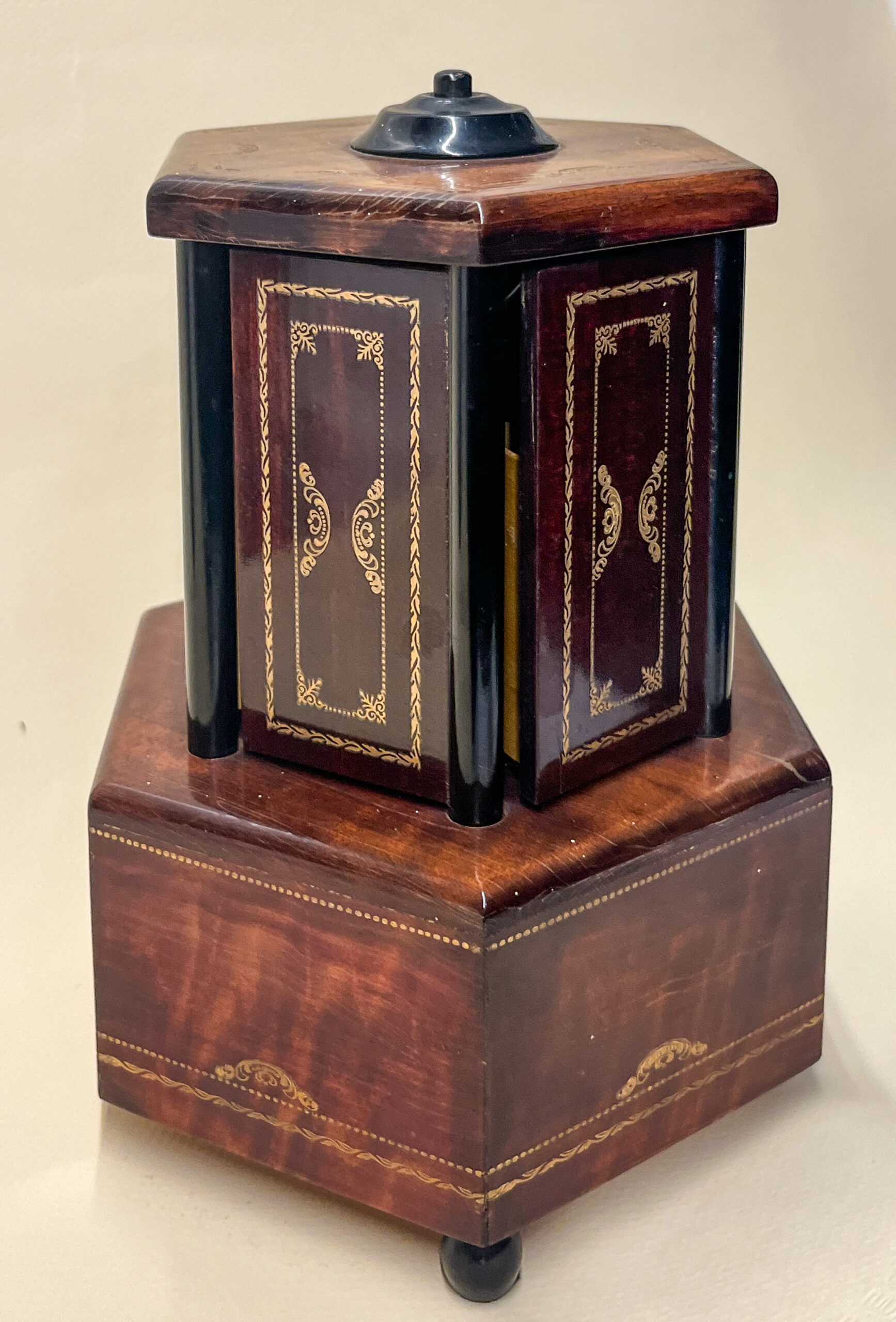 For years, among the extensive bric-à-brac, my aunts had collected was a music box. But the music box was also a cigarette dispenser.

 “Prime Minister, don’t you t’ink the livery on the plane advocating “yes” shows how well our airline is appropriately politically correct?”
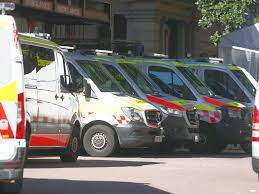 There were ambulances parked outside the hospital. We had contemplated calling an ambulance at one stage when my nose bleed was particularly acute, and we were unable to bring it under control. In conversation with the paramedics, my wife found out that ambulance officers, including the paramedics, have no special training in stopping a nosebleed, apart by compression for up to 30 minutes. Let me say that compression for that length of time is difficult to sustain, as I found out when my nose was bleeding, seemingly uncontrollably.
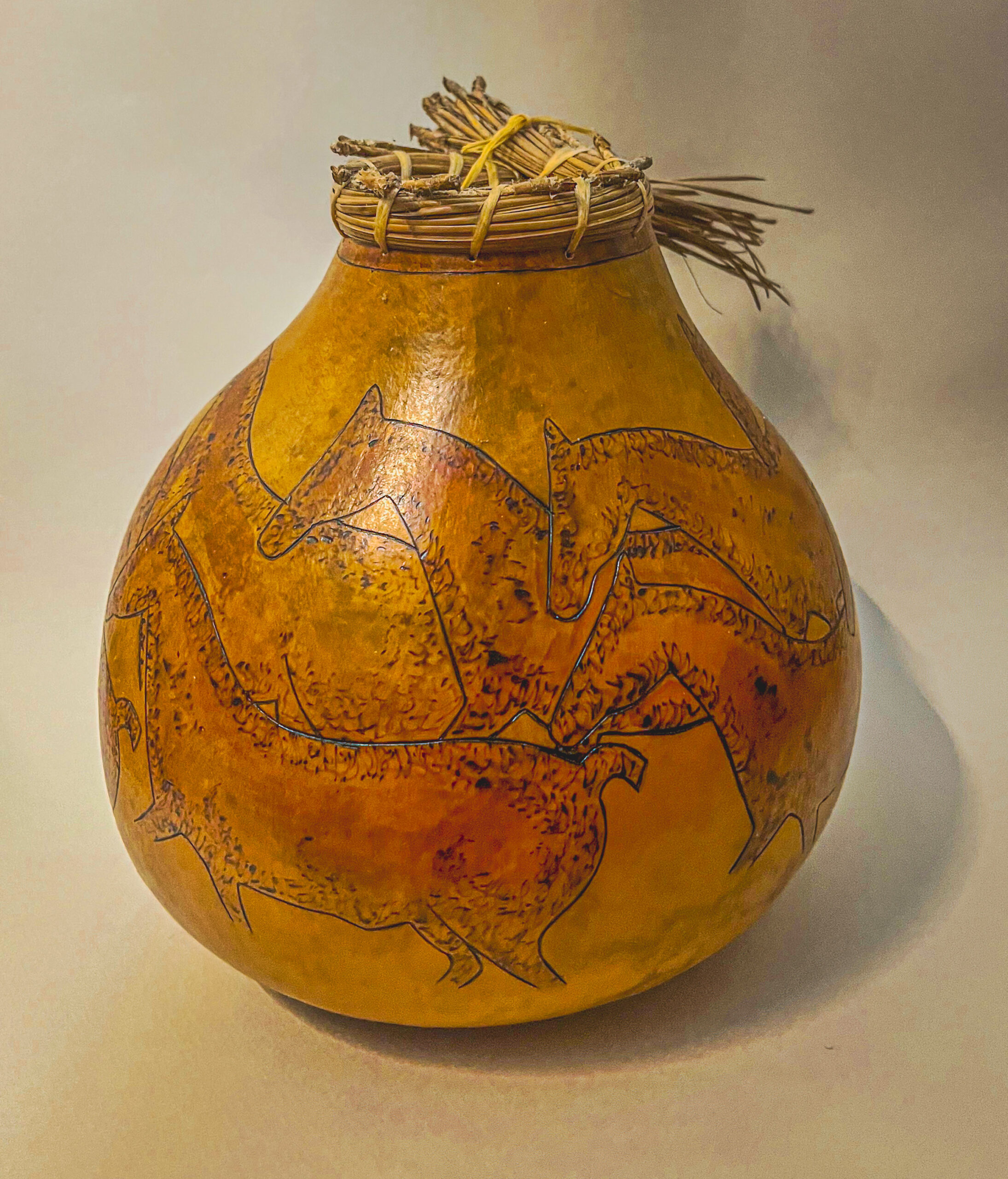 The gourd my wife purchased has the patina of leather and is unexpectedly light. It is easy to see why the gourd was used as a bag. But our gourd with a narrow opening with a rim of pine needles would be an inconvenient vessel.

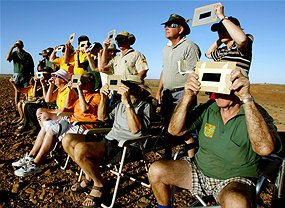 We met a few people once in Ceduna like Jay Pasachoff whose death, at 79 years of age on November 20th, was reported in an obituary in a recent Economist (December 10-16th). In Ceduna there was a total eclipse of the sun in 2002, and the Allens and the Best-Sargeants decided to venture across to view it. Like much of which we did together, it was a spur of the moment decision. When we had done the same for the Sydney Olympics, we bought the original package, which included tickets for the Opening Ceremony. That spur of the moment decision was timely; the proposed trip to Ceduna was not.
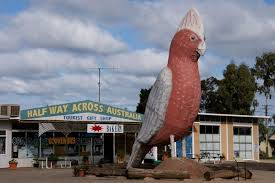 However, on this occasion we went the inland route through both the townships of Wudinna (where there is a mini-Uluru, Mount Wudinna) and Kimba (where the Big Galah glowers down upon the traveller). The second problem which had faced us was there was no accommodation in either Ceduna or Streaky Bay. We should have anticipated that, given that Ceduna itself is isolated except for the Aboriginal communities in the West and Streaky Bay in the East. Any other accommodation was over 100 kilometres away and only in a caravan park. Fortunately, I knew some of the Prideaux family and I contacted one of the elders whom I prefer not to name for cultural reasons, and she said they had an empty Aboriginal owned house in Ceduna. Yes, she said we could have it for the week. Given how difficult accommodation was, it was a Godsend to be able to rent such a three bed-roomed house in the centre of town.
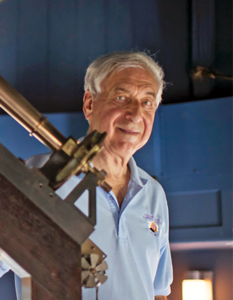 Jack Pascachoff was, for 50 years until his death, the Professor of Astronomy at Williams College Massachusetts and director of its Hopkins Observatory. To him “the perfect alignment, in solemn darkness, of the celestial bodies that mean most to us” gave a primal thrill that was indescribable. As a self-styled “umbraphile”, a shadow-lover, his greatest joy was to stand in that brief darkness cast by the shadow of the Moon”. His College is ranked as top in national liberal arts across the USA, and is located in Williamstown, Massachusetts, in the Berkshires and is one of the oldest colleges in the country. The school was originally a men’s college; women were first admitted in 1971 – almost all students are resident.
 My wife’s poached eggs are sublime. In Italian, poached eggs are called uova camicia, literally eggs in a shirt. The shirt analogy gives an impression of a free-flowing white tail floating in the hot spring water. These are not the poached eggs, neat compact white nuggets, uova in canovaccio , highly professional but in the end lacking the abandon of my wife’s expertise.
 There have been memorable breakfasts. One was in a hotel on the island of Guernsey, where the boiled eggs were just “runny” right in which to dip “the soldier toast”. The other was at the Randolph Hotel looking out on the Oxford streetscape and tucking into a plate of kippers. Then I have also written a poem about the time we had breakfast on the Moonie River among the coolabah trees, which is soon to be published. The Moonie flows by the settlement of Flinton, where we were staying at the time, in Southern Queensland near the NSW border, before emptying into the Barwon River near St George.
 It is somewhat surprising when you drive past what appears to be an empty shop next to an unprepossessing house to see it surrounded by a high metal fence and bristling with a substantial array of power lines and CCTV cameras. There are other buildings on the property, including a large shed at the rear, and any windows seem to have the blinds down. There are limbs of animals hanging from trees dotting the property. A warning?